Cloud-based ERP
(Enterprise Resource Planning) system
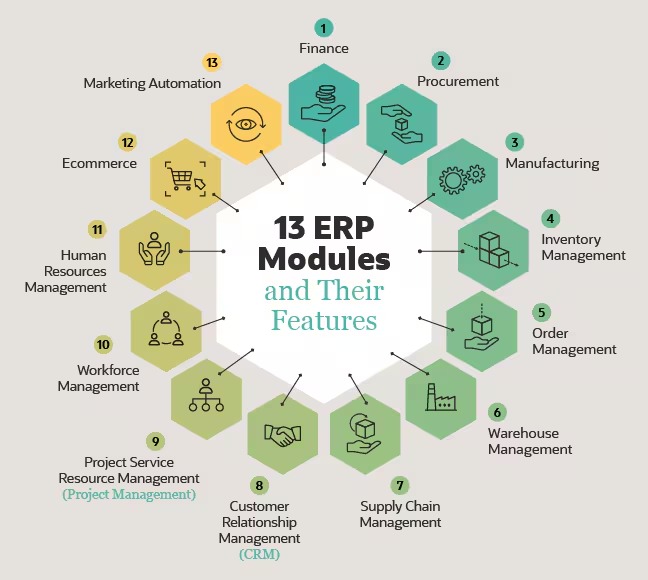
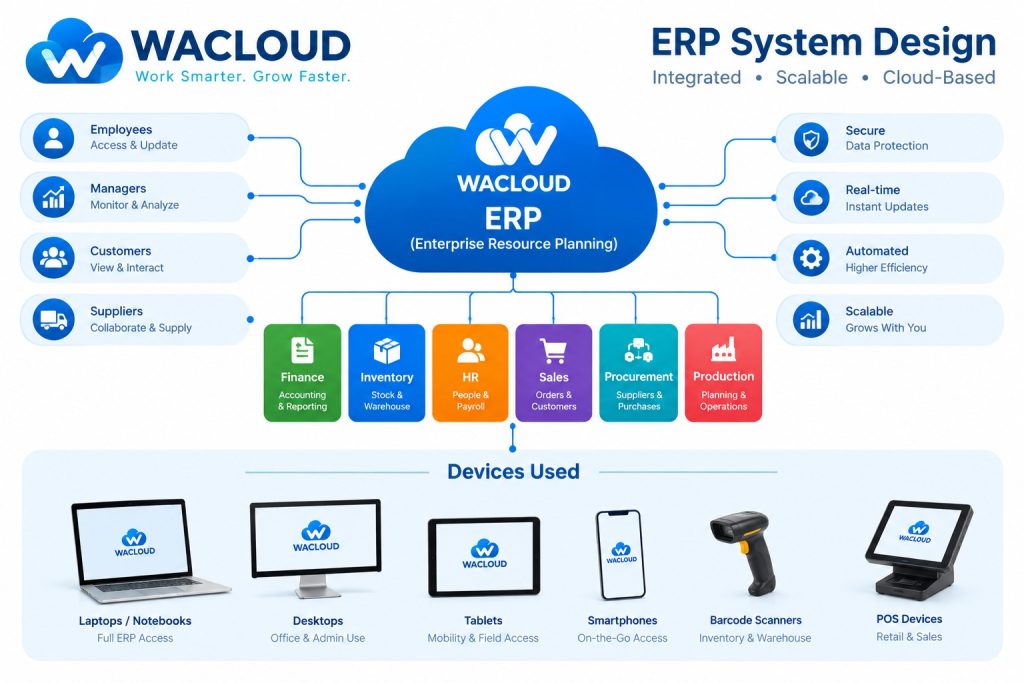
Is a type of software that organizations use to manage and integrate the core functions of their business. An ERP system acts as a centralized platform that brings together various business processes into a single, unified system, enabling the flow of information across departments and functions in real-time.
Cost Savings
- Lower Upfront Costs: Cloud-based ERP systems typically require lower initial investments since there’s no need to purchase expensive hardware or infrastructure.
- Pay-as-You-Go Model: Many cloud ERP providers offer subscription-based pricing, allowing businesses to pay only for the resources they use. This makes it easier to manage cash flow and scale the system as needed.
Scalability and Flexibility
- Easily Scalable: Cloud ERP systems can be scaled up or down depending on the organization’s needs. Whether expanding to new markets or adding more users, the system can grow with the business.
- Customizable: These systems often come with modular features that allow businesses to tailor the software to their specific needs without overhauling the entire system.
Accessibility and Mobility
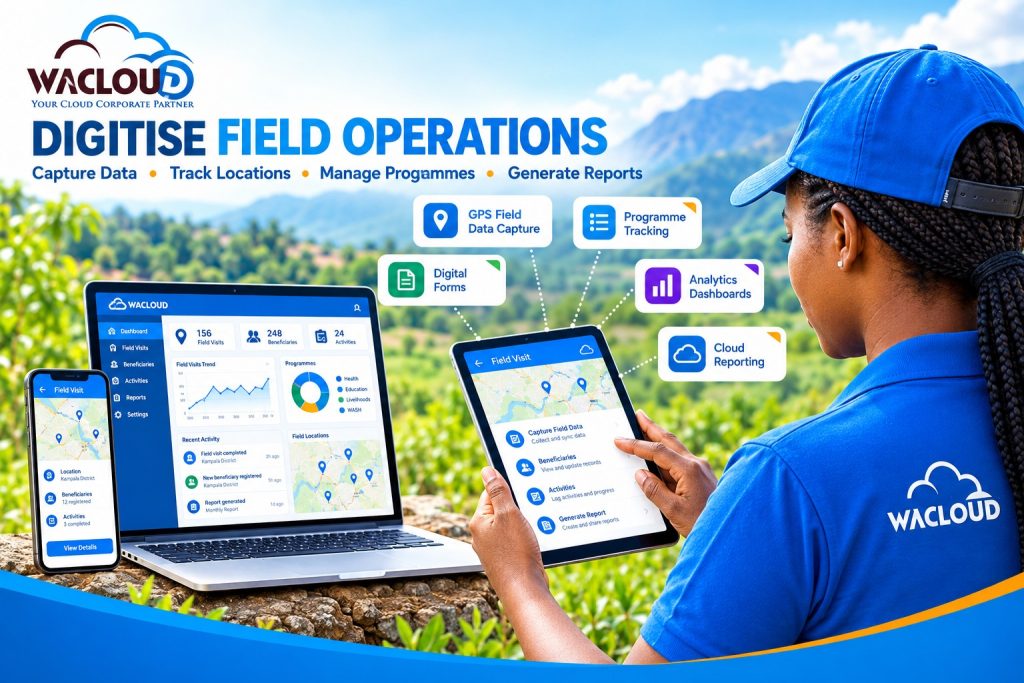
- Access from Anywhere: Cloud-based ERP systems can be accessed from any location with an internet connection, enabling remote work and collaboration across different geographical locations.
- Mobile Access: Employees can access critical business data and perform tasks using mobile devices, improving productivity and decision-making on the go.
Automatic Updates and Maintenance
- Regular Updates: Cloud ERP providers handle system updates, patches, and maintenance automatically, ensuring that the software is always up-to-date with the latest features and security protocols.
- Reduced IT Burden: Since the provider manages the infrastructure, businesses can reduce the burden on their in-house IT teams and focus on more strategic tasks.
Improved Collaboration
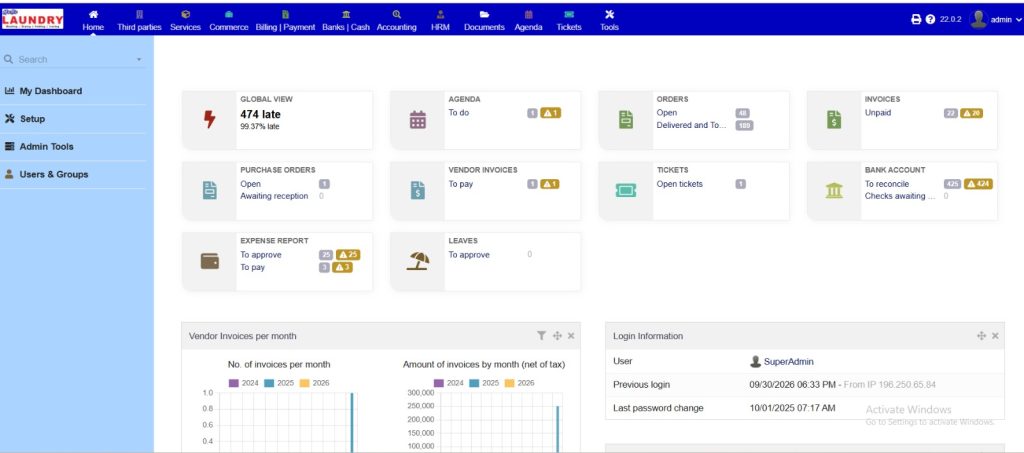
- Real-Time Data Sharing: Cloud ERP systems enable real-time data sharing and collaboration among departments, which helps in making quicker, more informed decisions.
- Integrated Communication Tools: Many cloud ERP solutions come with built-in communication tools, allowing teams to work together seamlessly.
7. Faster Implementation
- Quick Deployment: Cloud ERP systems can be deployed much faster than on-premise solutions because they don’t require complex hardware installations or extensive configuration.
- Ease of Integration: These systems are often designed to integrate easily with other cloud-based services, streamlining business processes.
9. Sustainability
- Energy Efficiency: Cloud-based solutions generally consume less energy than on-premise systems since they leverage the provider’s optimized data centers, contributing to lower carbon footprints.
- Resource Optimization: The scalability of cloud solutions means businesses use only the resources they need, avoiding the over-provisioning common with on-premise systems.
Better Data Management and Insights
- Real-Time Analytics: Cloud ERP systems provide real-time data analytics and reporting, giving businesses up-to-the-minute insights into their operations.
- Data Centralization: All business data is stored in a centralized cloud repository, improving data consistency and making it easier to generate comprehensive reports.
Enhanced Security
- Advanced Security Measures: Cloud ERP providers typically offer robust security features, including encryption, multi-factor authentication, and regular security audits, which can be more sophisticated than what many businesses could afford on their own.
- Disaster Recovery: Cloud ERP systems often include disaster recovery options, ensuring that business data is backed up and can be quickly restored in case of an emergency.
Compliance and Regulatory Support
- Up-to-Date Compliance: Cloud ERP providers often stay ahead of industry-specific compliance regulations, helping businesses meet legal requirements without the need for extensive internal monitoring.
Improved Competitiveness
- Faster Adaptation to Market Changes: With cloud ERP, businesses can quickly adapt to changing market conditions, implement new strategies, and leverage new opportunities without the delays associated with on-premise solutions.
Cloud-based ERP systems offer a range of advantages, including cost-effectiveness, scalability, accessibility, and enhanced security. These benefits make them a compelling choice for businesses looking to optimize their operations, improve collaboration, and stay competitive in a rapidly evolving marketplace.